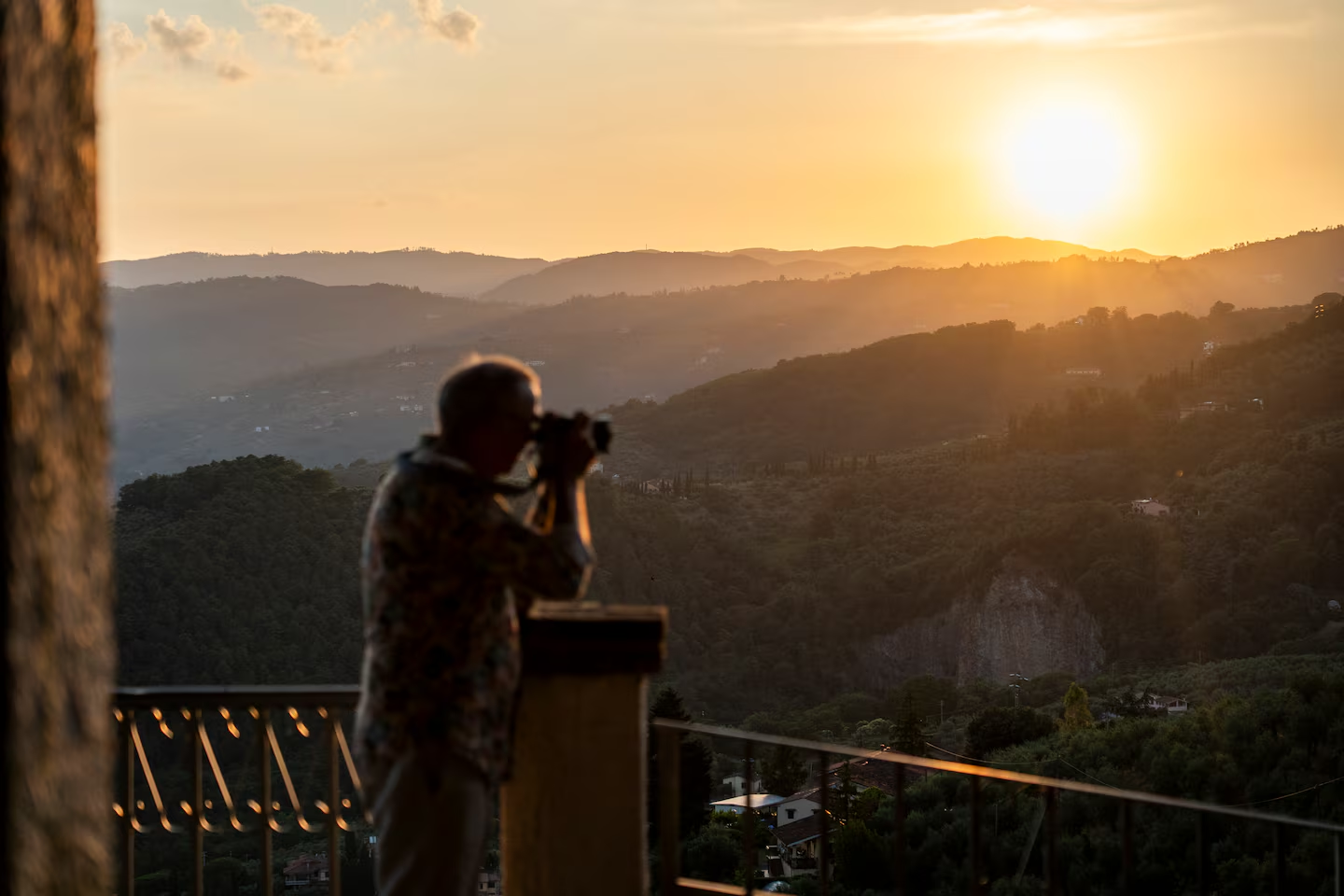
Montecatini sits in the Valdinievole, a small, fertile valley in northern Tuscany between Florence and Lucca. While Tuscany is often imagined through its major cities, much of its character comes from valleys like this one, shaped by agriculture, water, and long settlement.
It's elegant without being formal, beautiful without being overwhelming, and well suited to a longer stay. The valley is compact and well connected, which makes Montecatini a comfortable base—restful in itself, with easy access to the surrounding region if you choose to explore.
A Place for Music
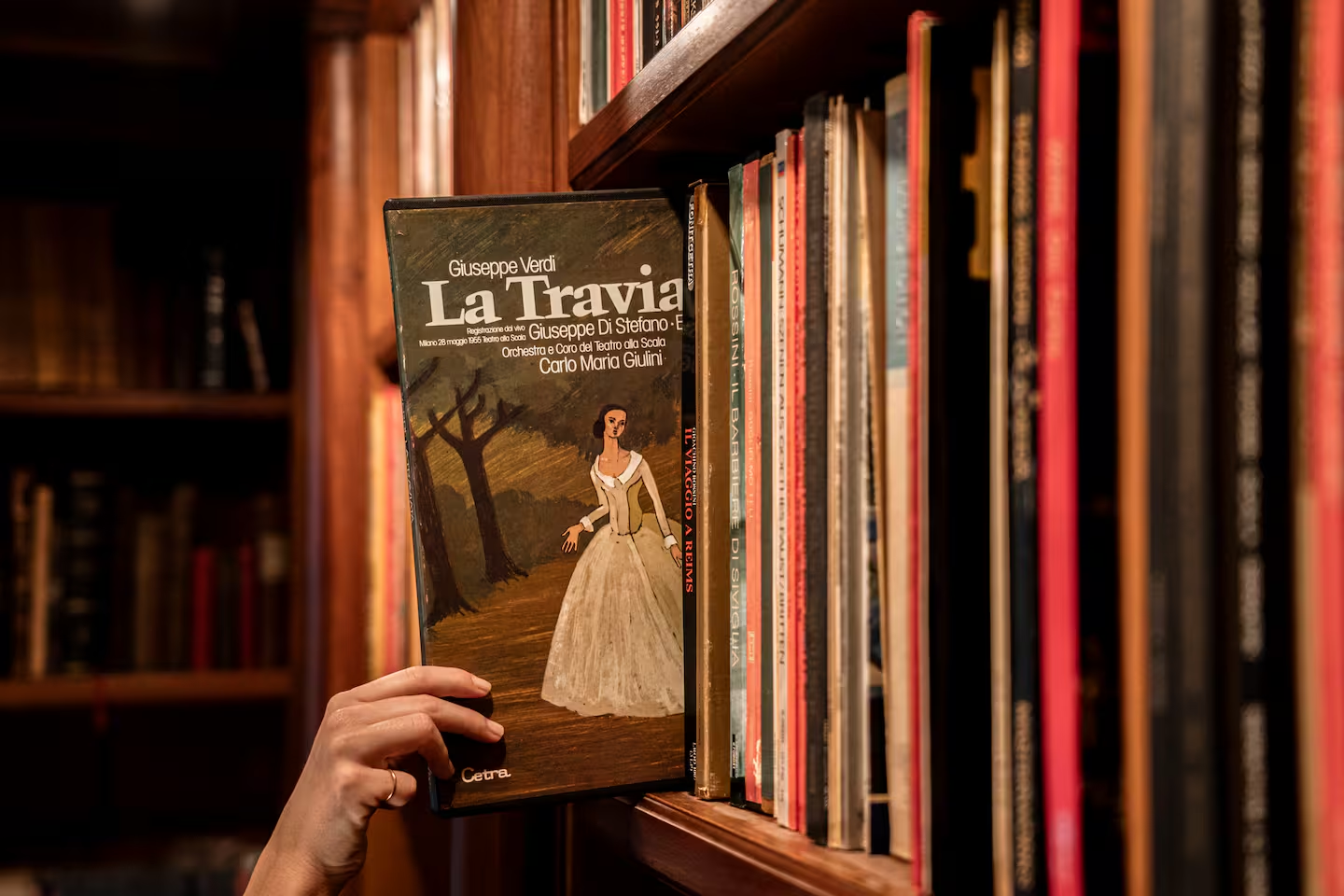
There's also a personal reason we've chosen this place. One of Brooke's favorite operas is Tosca, by Giacomo Puccini. Montecatini has long been a place where composers, writers, and artists came to rest and recharge, drawn by its landscape, its quiet rhythm, and its tradition of music.
In the late 19th and early 20th centuries, visitors came not only to take the waters but to attend concerts and performances, which were central to spa life. That tradition continues through the Montecatini Opera Festival, which stages performances in historic spa settings.
The 2026 festival opens on April 24, while we're in town. We plan to attend the opening performance together.
Two Towns, One Stay
Montecatini Terme
The spa town below. Flat, walkable, and designed for visitors: cafés, parks, hotels, and the historic thermal buildings are all close together. Wide boulevards and shaded parks were designed for strolling and socializing—a rhythm that still defines the town.
Most guests will stay here, within walking distance of everything.
Montecatini Alto
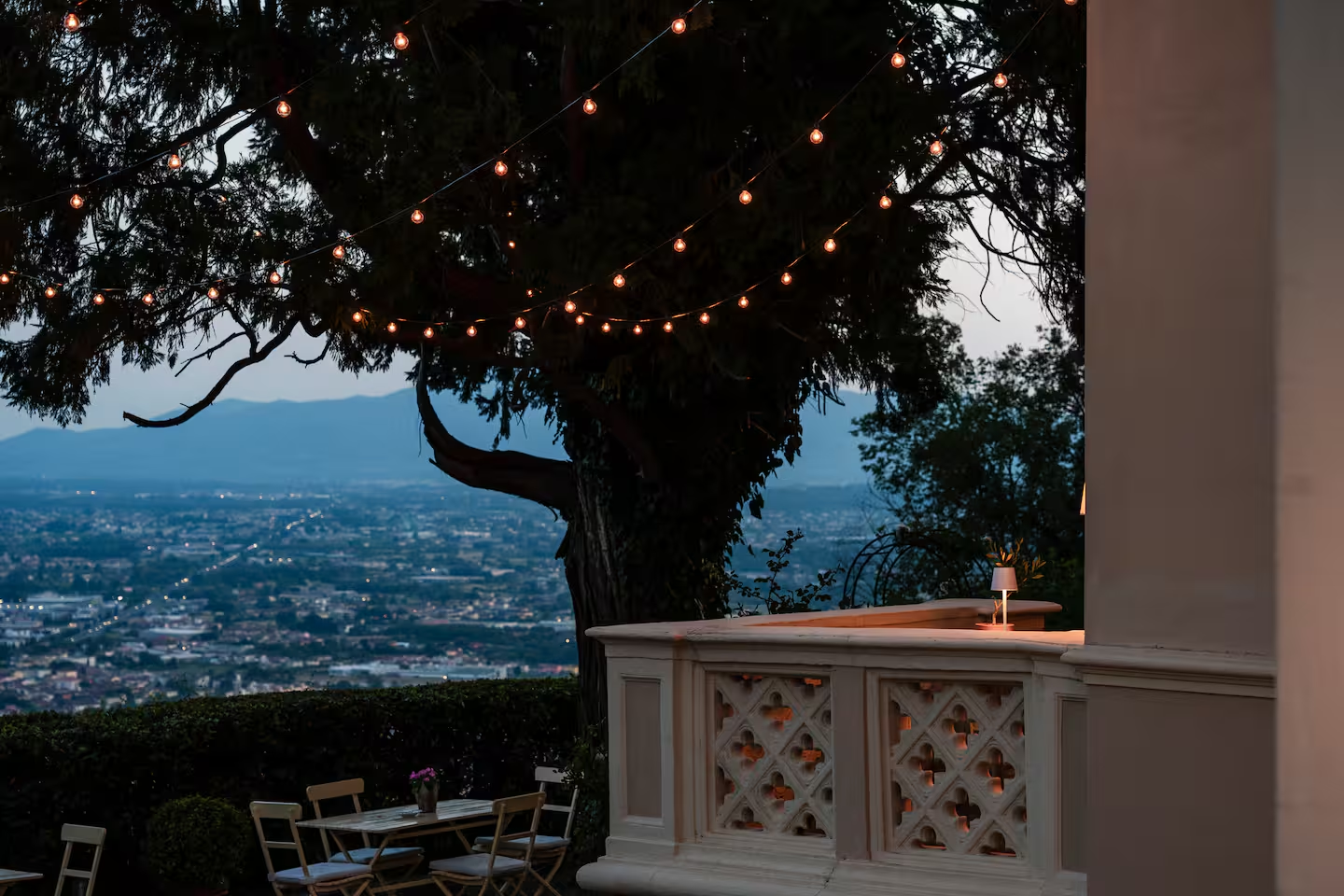
The original medieval village above. Stone streets, a compact piazza, and wide views across the valley. Smaller and older, it's best enjoyed in the late afternoon or evening, when the light softens and the atmosphere comes alive.
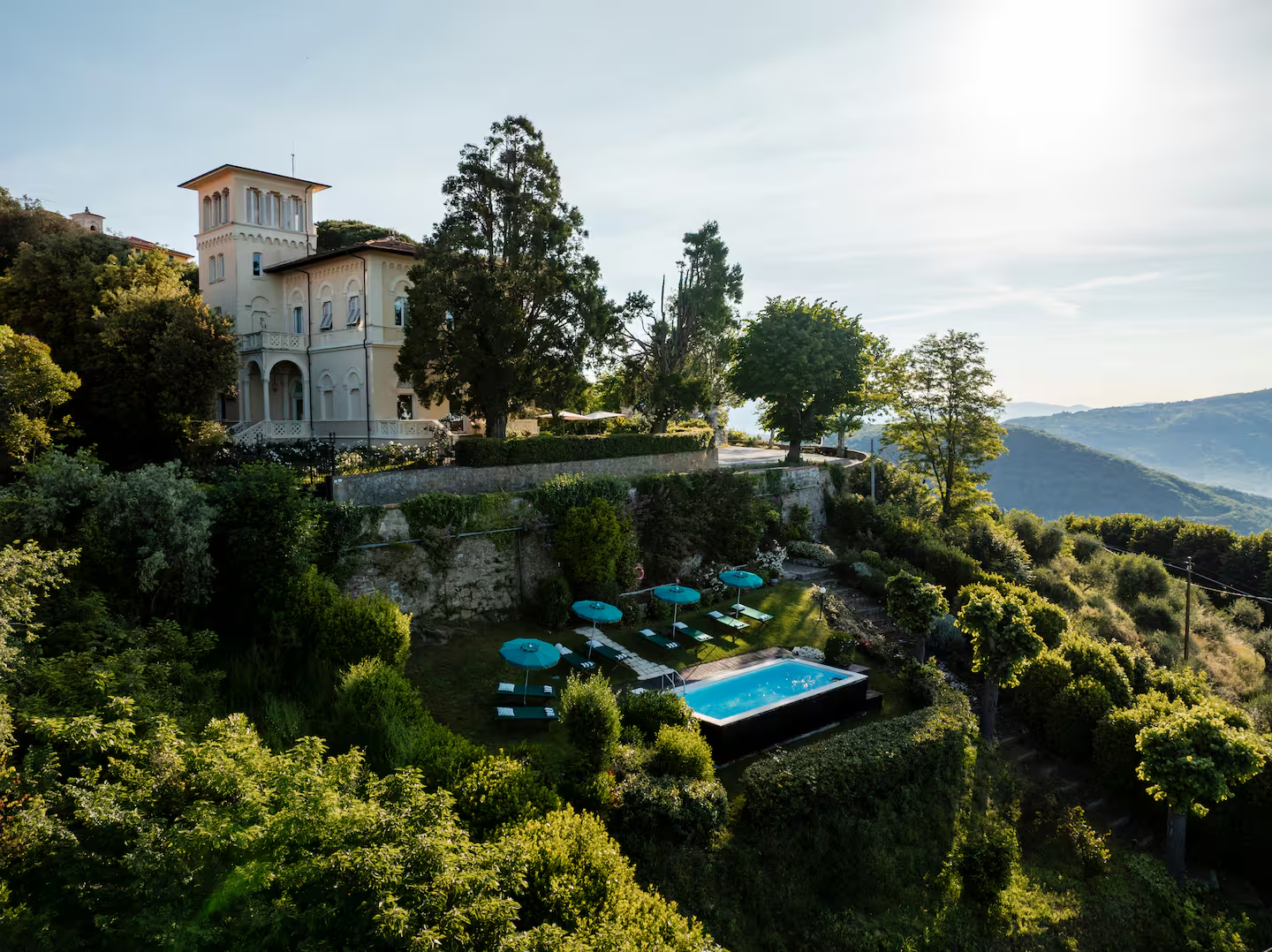
This is where we'll be staying—and where the ceremony will take place.
The Funicular
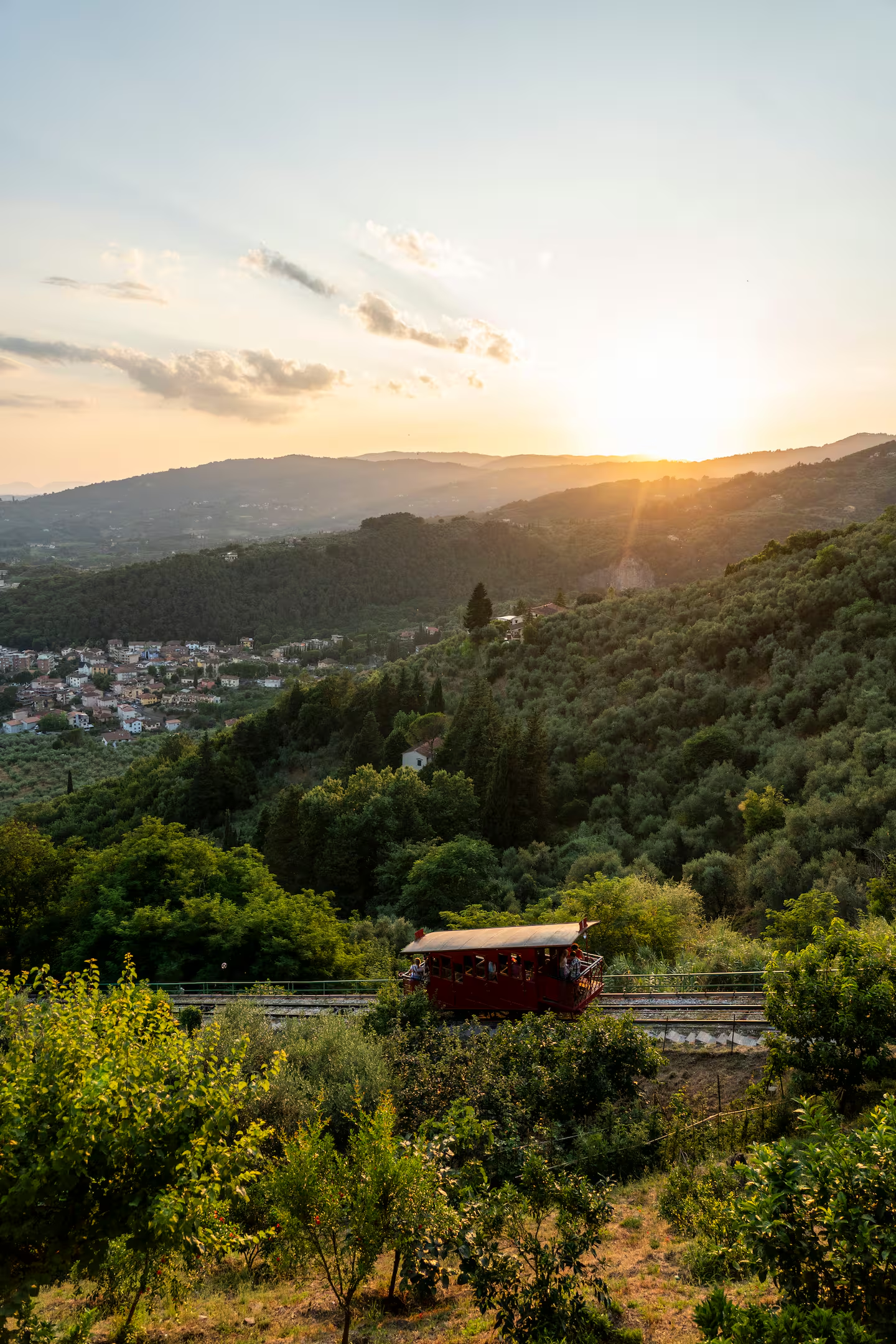
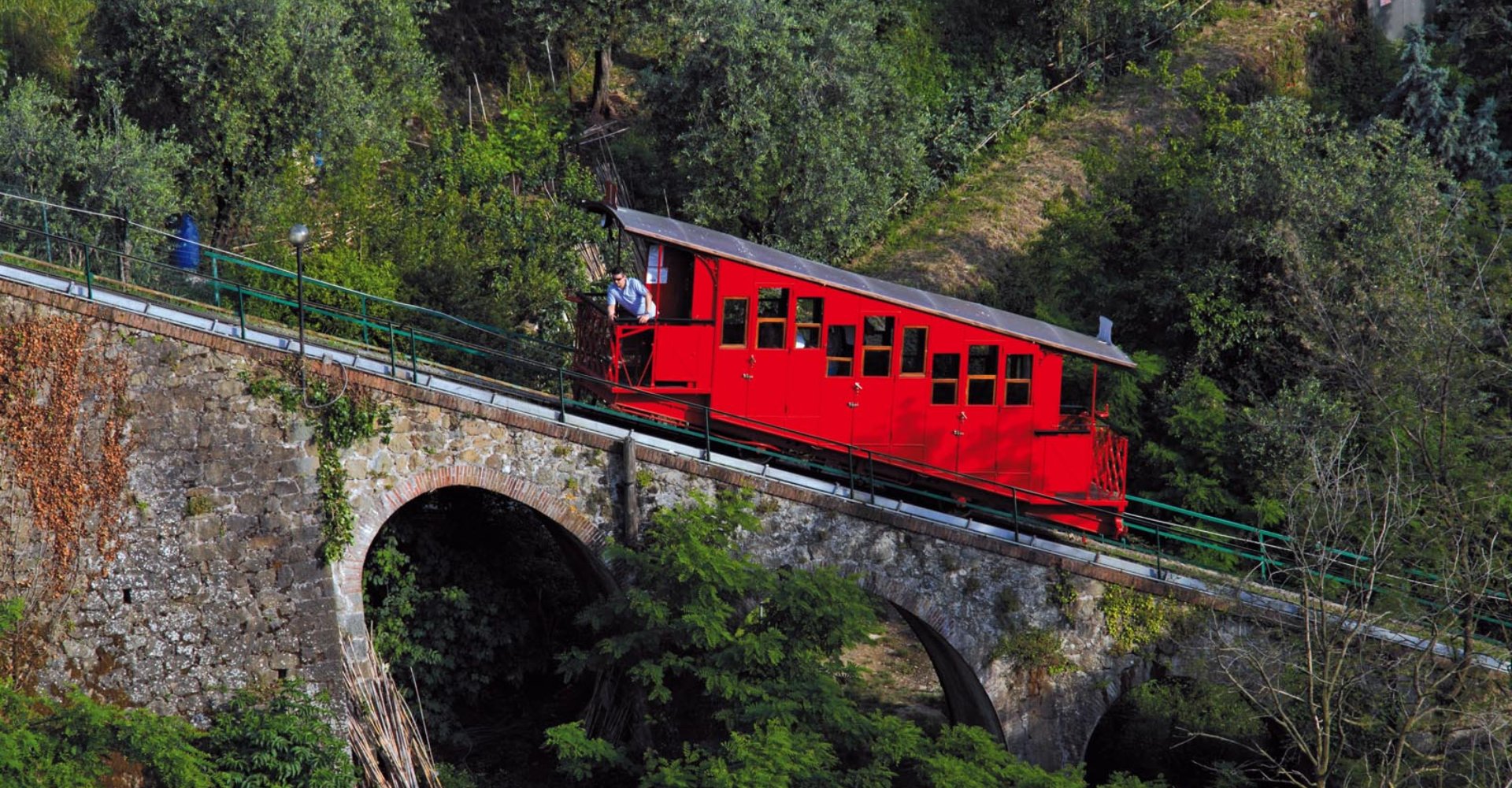
The most pleasant way to move between the two towns is the historic funicular, operating since 1898. The ride takes about eight minutes. As the car climbs, the spa town opens below—tiled roofs, palm-lined parks, and the valley beyond.
Late afternoon and early evening are especially good times to ride.
April in Montecatini
Late April is spring in Tuscany. Expect mild days, cooler evenings (especially in Montecatini Alto), and occasional rain.
What to Pack
Layers for variable weather · A light jacket for cool evenings · Comfortable walking shoes for cobblestones · Something nice for the opera · Swimsuit for the villa's pool
What You'll Eat
The food of the Valdinievole is seasonal, agricultural, and built around a few essential ingredients.
Olive oil is the starting point—used to finish dishes at the table, turning bread, beans, and vegetables into complete meals. Tuscan bread (pane sciocco) is unsalted by design, meant to carry oil, beans, greens, and cheese. Many local dishes are built from day-old bread: ribollita, pappa al pomodoro, or vegetables served over toast.
In late April, menus often feature artichokes, fava beans, tender greens, vegetable soups, simple pastas, pecorino cheeses, and poultry or rabbit. Lunch is traditionally the main meal; dinner begins later and unfolds slowly.
The weekly outdoor market takes place Thursday mornings along Viale Verdi—produce, bread, cheese, flowers, and everyday goods.